
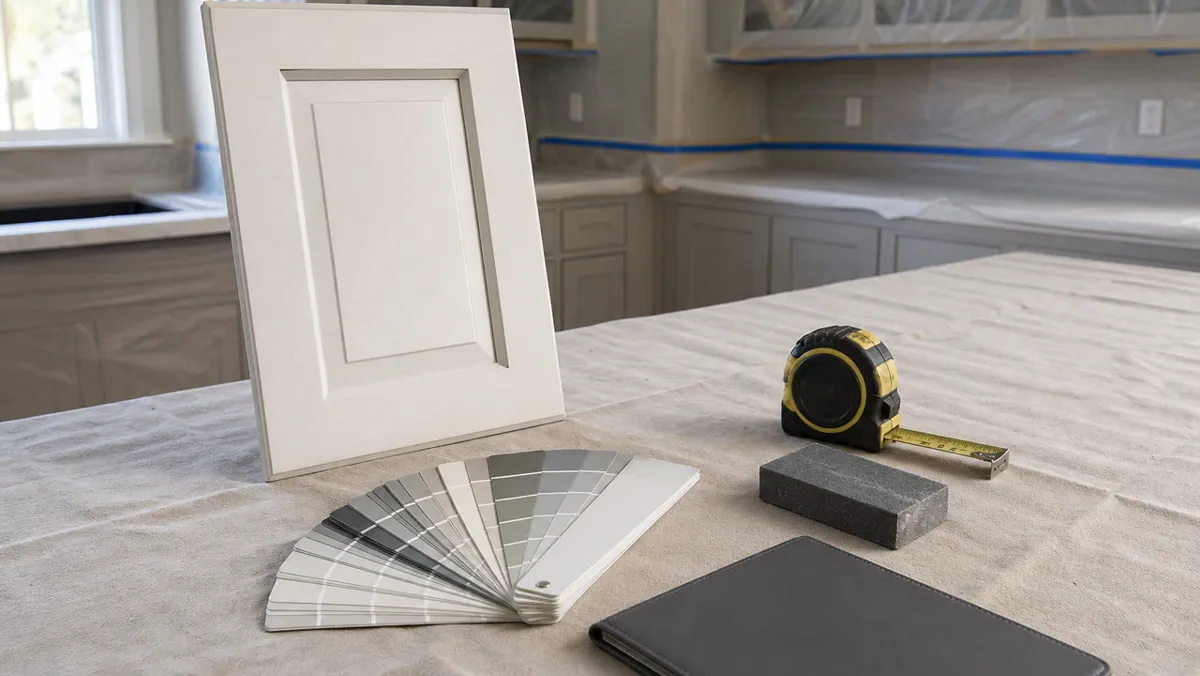
Surface condition and finish goals
Cabinet painting usually starts with the current surface, visible wear, door style, and the kind of finish update the homeowner wants.
Vero Beach cabinet painting
Refresh cabinet doors, drawer fronts, and kitchen surfaces with careful prep, smoother coating, and a finish that fits your home.
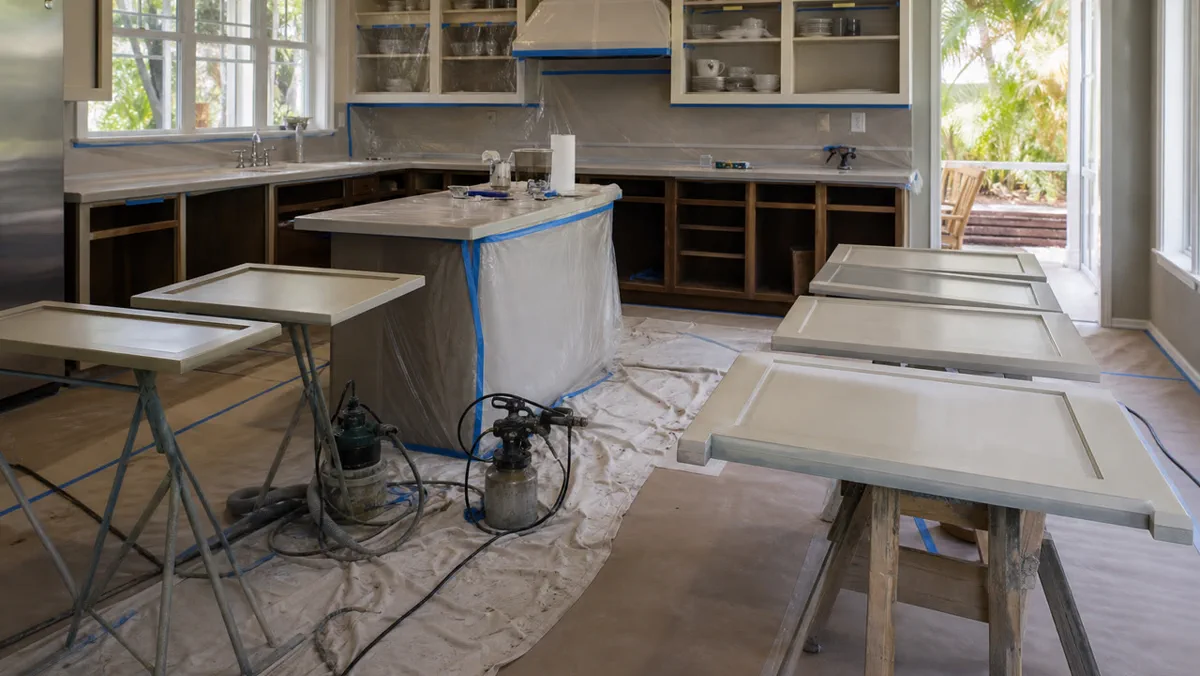
What cabinet painting involves
Cabinet painting usually starts with the current surface, visible wear, door style, and the kind of finish update the homeowner wants.
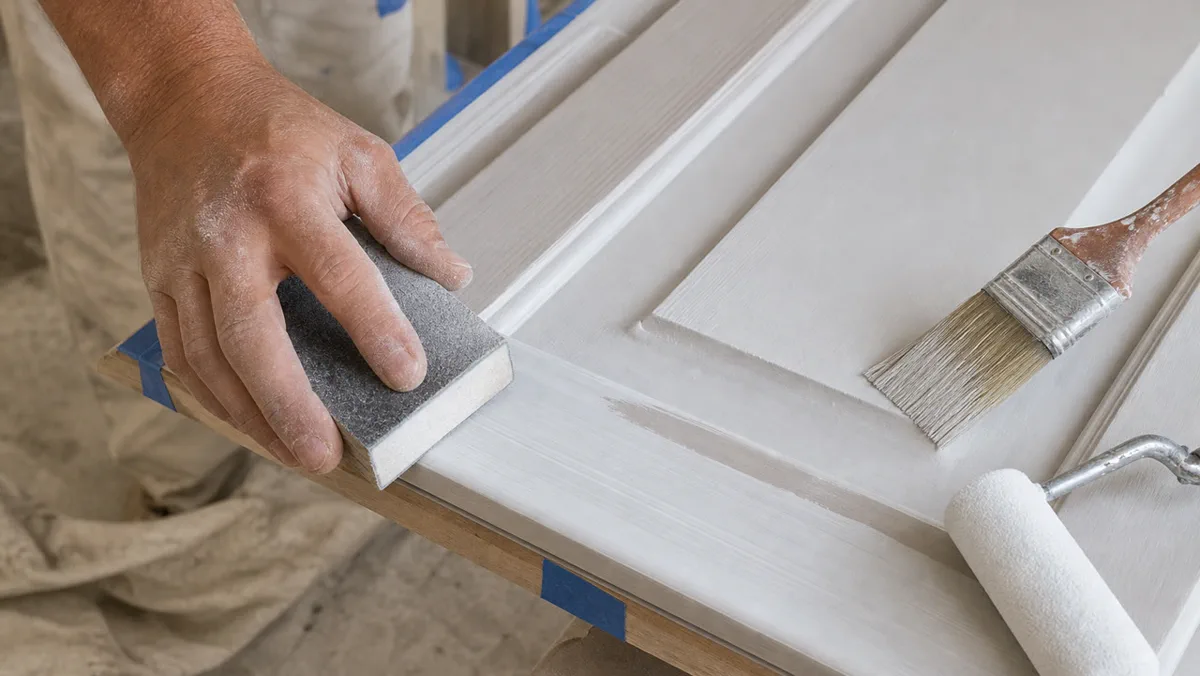
Cleaning, sanding, bonding primer, and cure time usually matter more than generic paint promises when cabinet finishes need to hold up in a busy kitchen.
Cabinet painting usually makes sense when the cabinet boxes are still solid but the finish looks worn, dated, greasy, chipped, or harder to keep clean.
A short description of the main cabinet problem, your city, and whether the kitchen is in daily use is enough to start the conversation. You do not need to diagnose everything first.
Vero Beach kitchens often face humidity, bright light, rental turnover, and worn handles or edges. A careful plan starts with surface condition, prep needs, and the finish you want.
Cost and scope
Cabinet painting cost and scope usually come down to cabinet material, current finish condition, door and drawer count, hardware changes, and how much prep the surfaces need before coating begins.
A light color refresh is a different job from cabinets with peeling thermofoil, swollen edges, heavy grease, or older oak grain that needs extra prep. That is why cabinet painting is usually priced by scope, not by a generic wall-paint comparison.
Cabinet painting FAQs
A stronger cabinet painting decision usually comes down to durability, surface condition, kitchen disruption, and whether painting still makes more sense than replacement.
Professionally painted cabinets often hold up for many years when the prep is thorough, the primer bonds correctly, and the finish is a cabinet-grade coating instead of standard wall paint. Kitchen traffic, moisture, grease, and how carefully the doors and drawers are used all affect the timeline, which is why process matters as much as color choice.
They can if grease is left on the surface, glossy coatings are not sanded or deglossed correctly, the wrong primer is used, or the finish is rushed back into heavy use before it cures. A cabinet painter should be able to explain the cleaning, sanding, priming, and cure-time plan clearly before the work starts.
Cabinet painting is usually discussed as the lower-cost option when the boxes are still solid and the layout already works. Full replacement often adds demolition, new boxes, counters, plumbing or electrical adjustments, and a longer disruption window, while painting is usually a finish-and-prep conversation rather than a full kitchen rebuild.
Many cabinet painting projects run over several business days because cleaning, sanding, priming, spraying or fine-finish coating, dry time, curing, and reinstalling all take time. The exact schedule depends on cabinet count, condition, layout, humidity, and whether the doors and drawer fronts are finished in a more controlled setup away from the main kitchen traffic.
Many wood, plywood, and MDF cabinets are reasonable painting candidates, but not every surface is. Peeling thermofoil, swollen particle board, bubbling veneer, and cabinets with deeper water damage or structural movement should be reviewed carefully before anyone treats painting as the right answer.
Usually yes, at least to some degree. Oak has a pronounced open grain, so a smoother painted look may require more prep or filler work, while some homeowners prefer to let that texture read as part of the cabinet character instead of trying to hide it completely.
Not always, but it depends on the products used, the ventilation plan, and how sensitive the household is to smell or fine dust. Families with young children, pets, or respiratory concerns should ask how doors, drawers, masking, drying, and airflow will be handled before the project schedule is locked in.
White and soft off-white cabinets are still common because they fit many kitchen styles, but warm greiges, muted greens, darker blue tones, and contrast islands are also frequent requests. The better conversation is usually less about trend-chasing and more about how the cabinet color will sit with counters, backsplash, flooring, and the amount of natural light in the room.
Painted cabinets usually do best with a soft cloth, mild soap, and light routine cleaning instead of abrasive pads or harsh chemical cleaners. High-touch areas near the sink, trash pullout, and stove should be watched most closely because grease, moisture, and repeated impact show there first.
Ask how they clean and prep greasy doors, whether they sand or degloss, what primer and cabinet-grade finish they use, how they handle spraying versus brush texture, how long cure time takes, and what conditions would make cabinets a poor candidate for paint. It is also reasonable to ask how hardware changes, oak grain, damage repair, and kitchen access will affect the plan.
Service areas
Main Vero Beach homes often need cabinet finish planning around bright kitchens, coastal humidity, and everyday family traffic.
Sebastian cabinet updates often involve lived-in kitchens, pantry doors, and hardware changes where a clean prep plan matters.
Indian River Shores homeowners often care about a calm finish plan, neat containment, and color choices that fit coastal interiors.
Gifford cabinet updates may include older cabinet boxes, worn door edges, and practical budget choices before repainting.
Fort Pierce kitchens often need clear scope notes for door condition, laminate versus wood surfaces, and access scheduling.
Wabasso homes may need straightforward refinishing planning for coastal wear, rental turnover, or a cleaner pre-sale kitchen look.
Local cabinet conditions
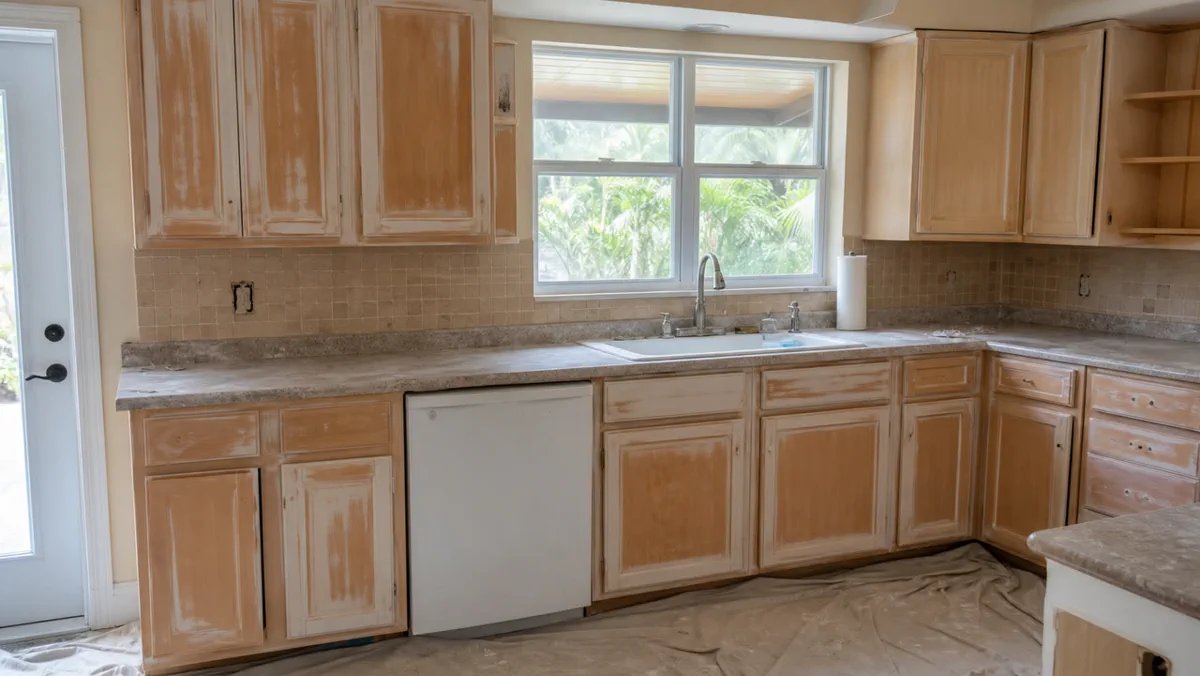
Vero Beach kitchens often deal with humidity, bright sun, salt air, frequent use, and older finish wear that can change how cabinet painting should be approached.
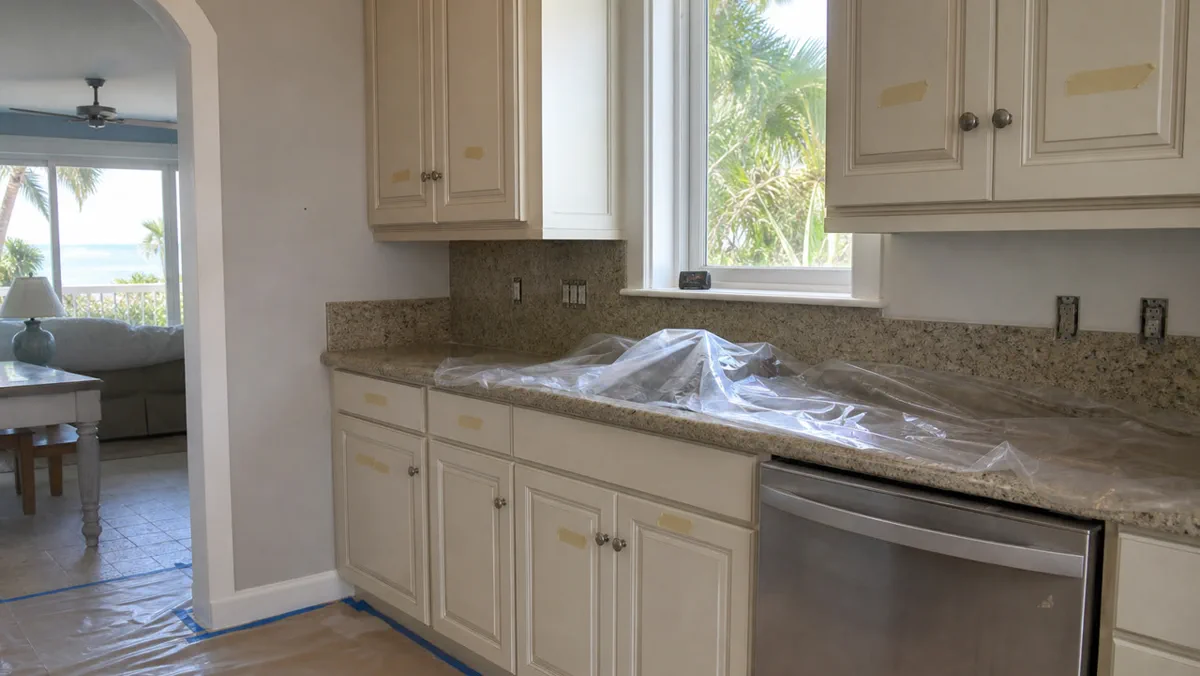
These nearby service-area pages explain where cabinet painting requests can be reviewed and how local kitchen conditions can vary across the area.